
Your heart works around the clock, supplying blood to the rest of your body. Protecting it begins with understanding your risks and recognising when something is wrong. A heart attack is a medical emergency, and early treatment can save both heart muscle and life.
What is a heart attack?
A heart attack, medically called a myocardial infarction, occurs when blood flow to part of the heart muscle becomes severely reduced or blocked. Without enough oxygen, the affected muscle becomes damaged and can begin to die.
Most heart attacks happen when a fatty deposit, called plaque, ruptures inside an artery supplying the heart. A blood clot can then form and block blood flow. The longer treatment is delayed, the greater the potential damage.
What increases your risk?
Heart attacks can affect people who appear healthy. Several conditions and habits increase the risk:
· High blood pressure, which damages blood vessels over time.
· High cholesterol, which contributes to fatty deposits in arteries.
· Diabetes, particularly when blood sugar is poorly controlled.
· Smoking and exposure to secondhand smoke.
· Overweight and obesity.
· Physical inactivity.
· An unhealthy diet, particularly one high in salt, saturated fats and trans fats.
· Excessive alcohol consumption.
Increasing age and a family history of early heart disease also raise your risk. Although you cannot change these factors, controlling the risks you can change remains valuable. High blood pressure and high cholesterol may cause no obvious symptoms, making regular checks essential.
Recognising the signs and symptoms
A heart attack does not always begin with sudden, severe chest pain. Symptoms may start mildly, develop gradually, or disappear and return.
Watch for:
· Chest discomfort: pressure, tightness, squeezing, heaviness or pain.
· Discomfort in other areas: one or both arms, the shoulders, back, neck, jaw or upper abdomen.
· Shortness of breath, with or without chest discomfort.
· A cold sweat.
· Nausea or vomiting.
· Dizziness, light-headedness or feeling faint.
· Unusual tiredness or weakness.
Chest discomfort remains the most common symptom in both men and women. However, women may also experience less obvious symptoms, such as nausea, breathlessness, back pain or unusual fatigue. Do not dismiss new symptoms as “just gas,” indigestion or exhaustion.
If you suspect a heart attack, act immediately
Stop what you are doing and contact your local ambulance or emergency medical service. Do not drive yourself, wait for the symptoms to become severe, or delay until a routine clinic appointment. Seek emergency help even if you are unsure. Prompt assessment and treatment can limit heart damage and improve survival.
Heart Attack is a medical emergency!
How can you reduce your risk?
Protecting your heart involves daily habits and appropriate medical care.
Know your numbers. Have your blood pressure, cholesterol and blood sugar checked at intervals recommended by your doctor. Discuss your family history and overall cardiovascular risk.
Take prescribed medication consistently. Treatment for high blood pressure, diabetes and high cholesterol helps reduce cardiovascular risk. Do not stop treatment simply because you feel well.
Eat for heart health. Choose more vegetables, fruits, beans, whole grains and fish. Reduce salty processed foods, processed meats, sugary drinks and foods high in saturated or trans fats.
Move regularly. Aim for at least 150 minutes of moderate physical activity each week, such as brisk walking. Start gradually and choose activities suited to your health and abilities.
Avoid tobacco and secondhand smoke. If you smoke, seek support to quit.
Work towards a healthy weight and limit alcohol. Sustainable changes in food choices and activity can help improve blood pressure, blood sugar and cholesterol.
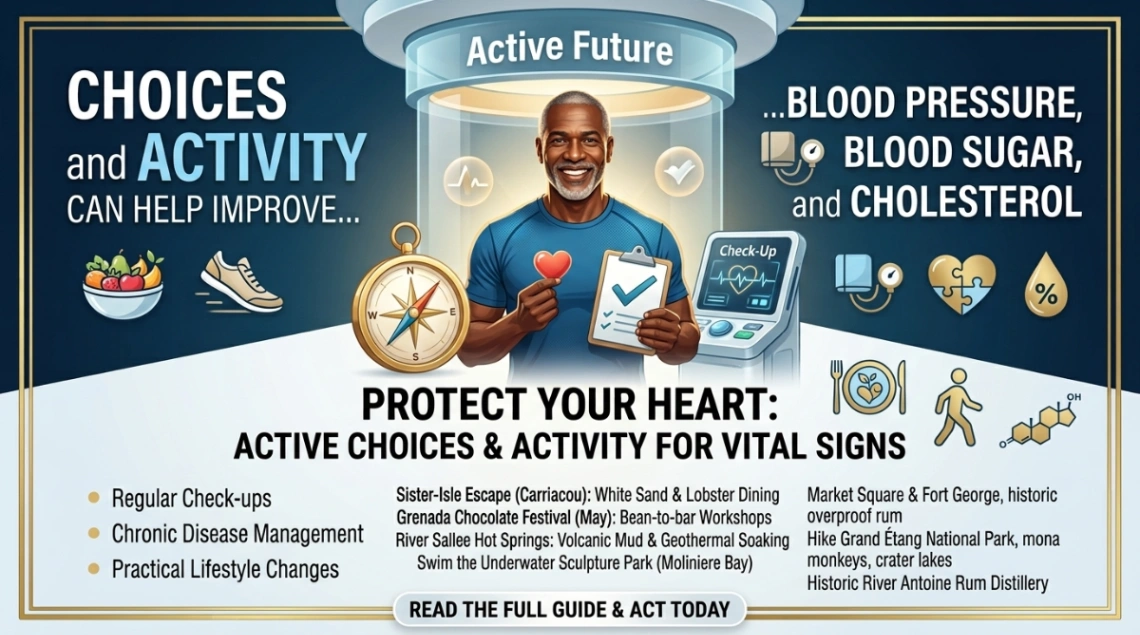
At Serenity Medical and Wellness, we encourage you to take an active role in protecting your heart through regular check-ups, chronic disease management and practical lifestyle changes.
Know your risks. Recognise the warning signs. Act without delay.
Dr. Daniel Harford, MD
General Practitioner
Medical Director and CEO
Serenity Medical and Wellness